Japanese Furoshiki: The Traditional Home for Your Shibari Ropes
Our Japanese furoshiki collection is back in stock. More than a beautiful wrapping cloth, this traditional square of fabric is a practical and elegant way to store, protect and carry your Shibari ropes.
A natural place in Shibari practice
In Japan, furoshiki have been used for centuries to carry and protect valued belongings. It is therefore natural that many Japanese masters and Shibari practitioners use them to organise their rope sets.
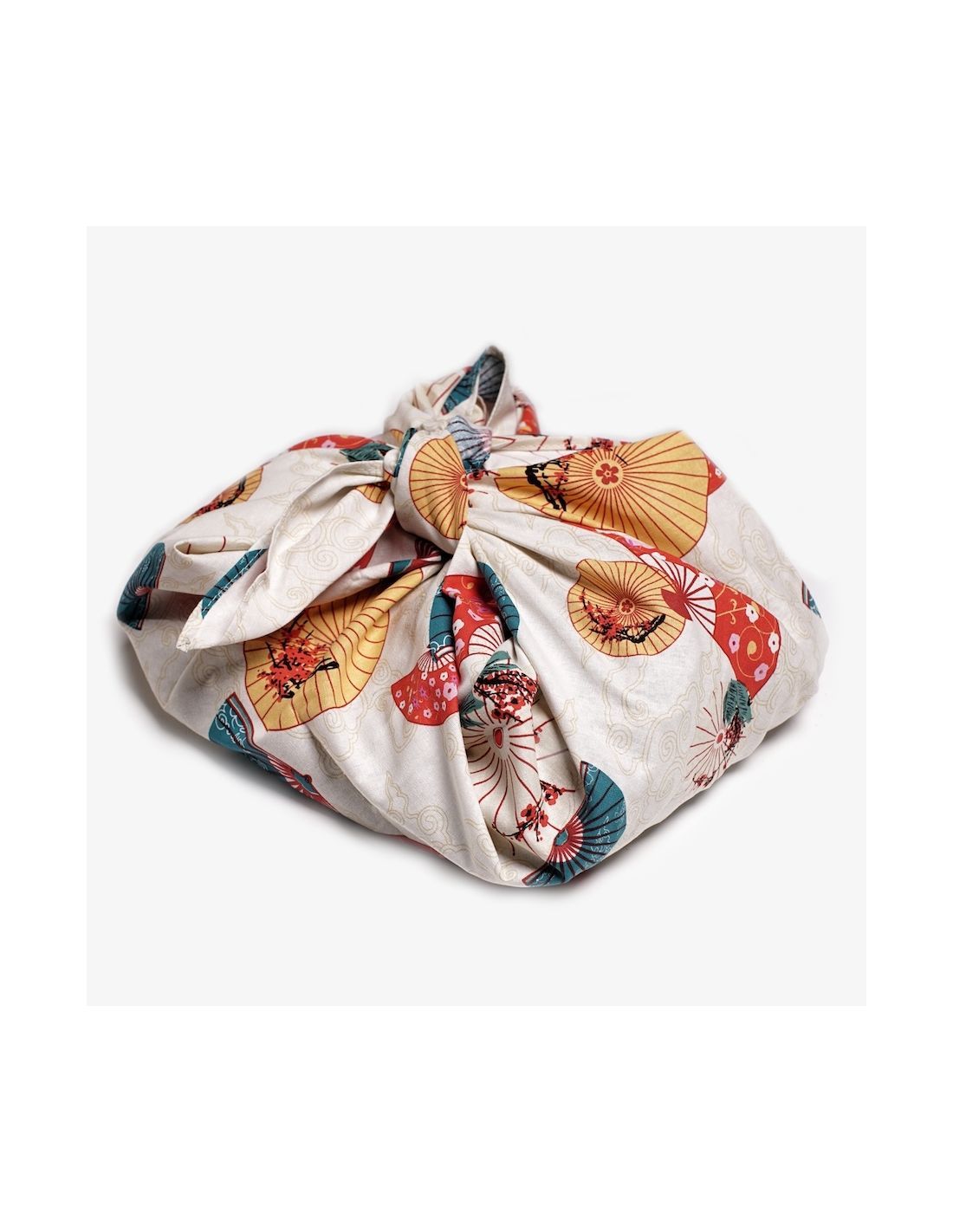
Ropes are carefully prepared, coiled or folded into bundles, then placed inside the cloth. Once the furoshiki is tied, the set becomes compact and easy to carry. This simple gesture is part of the ritual: caring for your ropes, preparing them before a session and putting them away mindfully afterwards.
Habits differ between schools, generations and individual practitioners, but the furoshiki remains closely connected to the Japanese tradition of treating tools and materials with care.
Why store Shibari ropes in a furoshiki?
Lightweight and compact, a furoshiki adapts naturally to the amount of equipment it holds. It can help you:
- keep several rope sets together;
- separate clean ropes from those requiring care;
- prevent ropes from becoming scattered or tangled inside a bag;
- protect natural fibres from dust and friction;
- carry your equipment easily;
- lay out ropes neatly before a session;
- use the unfolded cloth as a clean preparation surface.
Unlike a rigid box, a furoshiki takes up only the space it needs. It can hold a few ropes for a light session or a larger set, depending on its dimensions and the way it is tied.
Practical advice: ropes must be completely dry before storage. Keep them in a clean, dry and sufficiently ventilated place. You can also explore our selection of Japanese jute and natural-fibre Shibari ropes.
A gesture of care and respect
In Shibari, rope is more than a simple accessory. Its preparation, maintenance and storage are all part of the practice.
Folding the furoshiki around an organised rope set and forming the closing knot provides a mindful conclusion to a session. Opening it marks the beginning of preparation. The cloth creates a transition between ropes at rest and ropes ready to be used.
This care echoes the Japanese idea of mottainai: respecting objects, recognising their value and using them for as long as possible.
An ancient Japanese tradition
The use of cloth to wrap and carry belongings in Japan is thought to date back to the Nara period, around the eighth century. The word furoshiki, literally “bath spread”, appeared later. At public baths, these cloths were used to gather and identify clothes and personal belongings.
During the Edo period, their use became widespread. The furoshiki became an everyday object for carrying goods, protecting possessions and presenting gifts. Its purpose remains unchanged today: to wrap with simplicity, care and elegance.
New Japanese furoshiki are now in stock
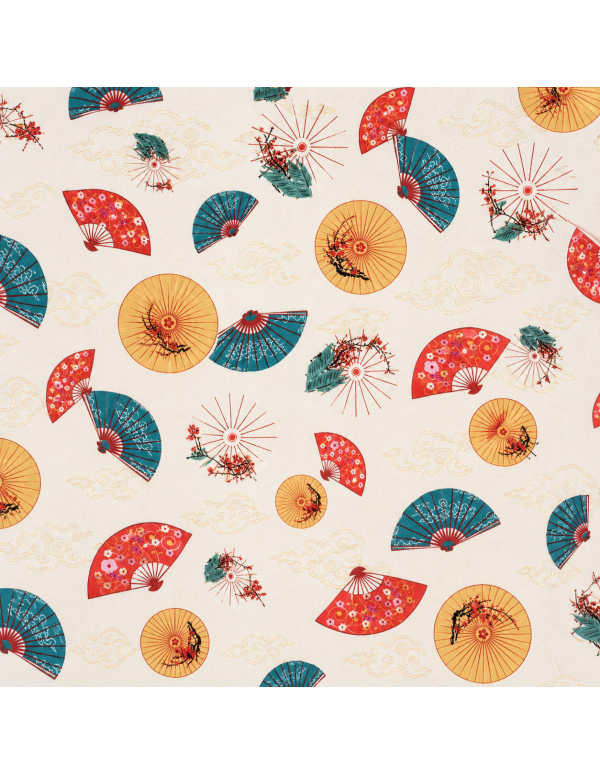
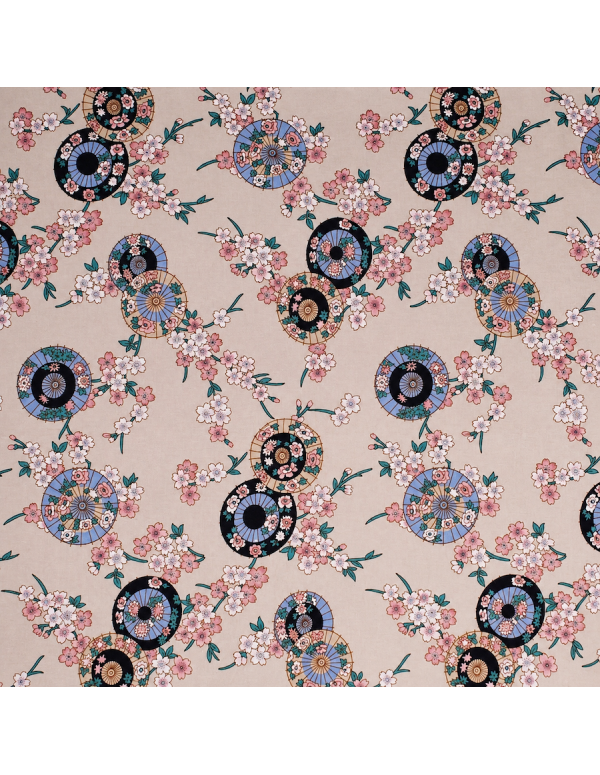
Decorated with flowers, parasols and motifs inspired by Japanese aesthetics, our latest furoshiki provide a functional and traditional home for your ropes.
Discover the Japanese Furoshiki D with parasol motifs and the Japanese Furoshiki E with floral motifs. Unfolded, the cloth becomes a preparation surface; tied, it protects your ropes and makes them easy to carry.
Browse the new Japanese furoshiki stock while supplies last.
Linked products