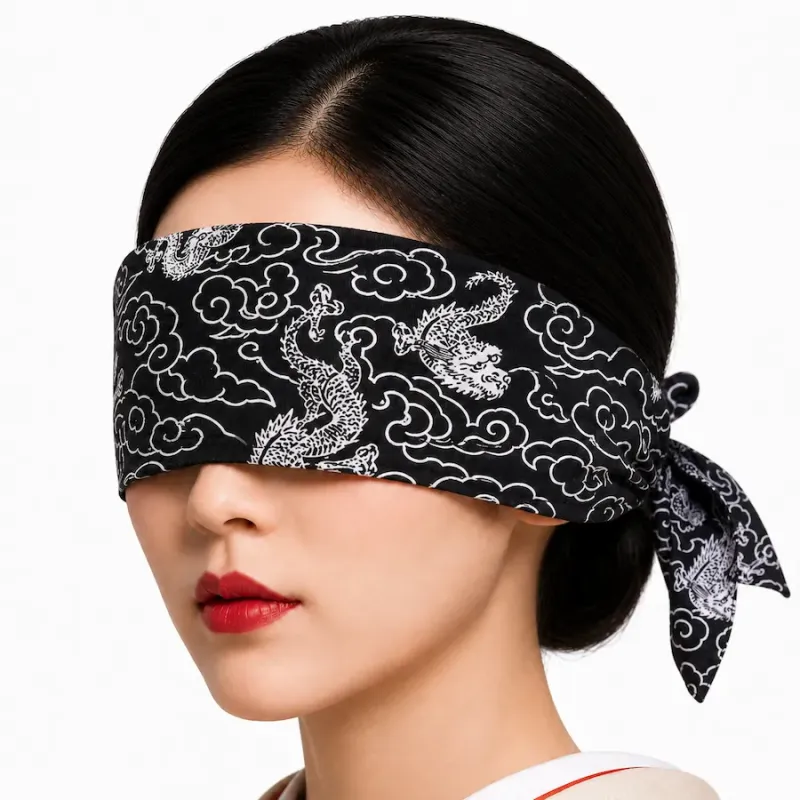
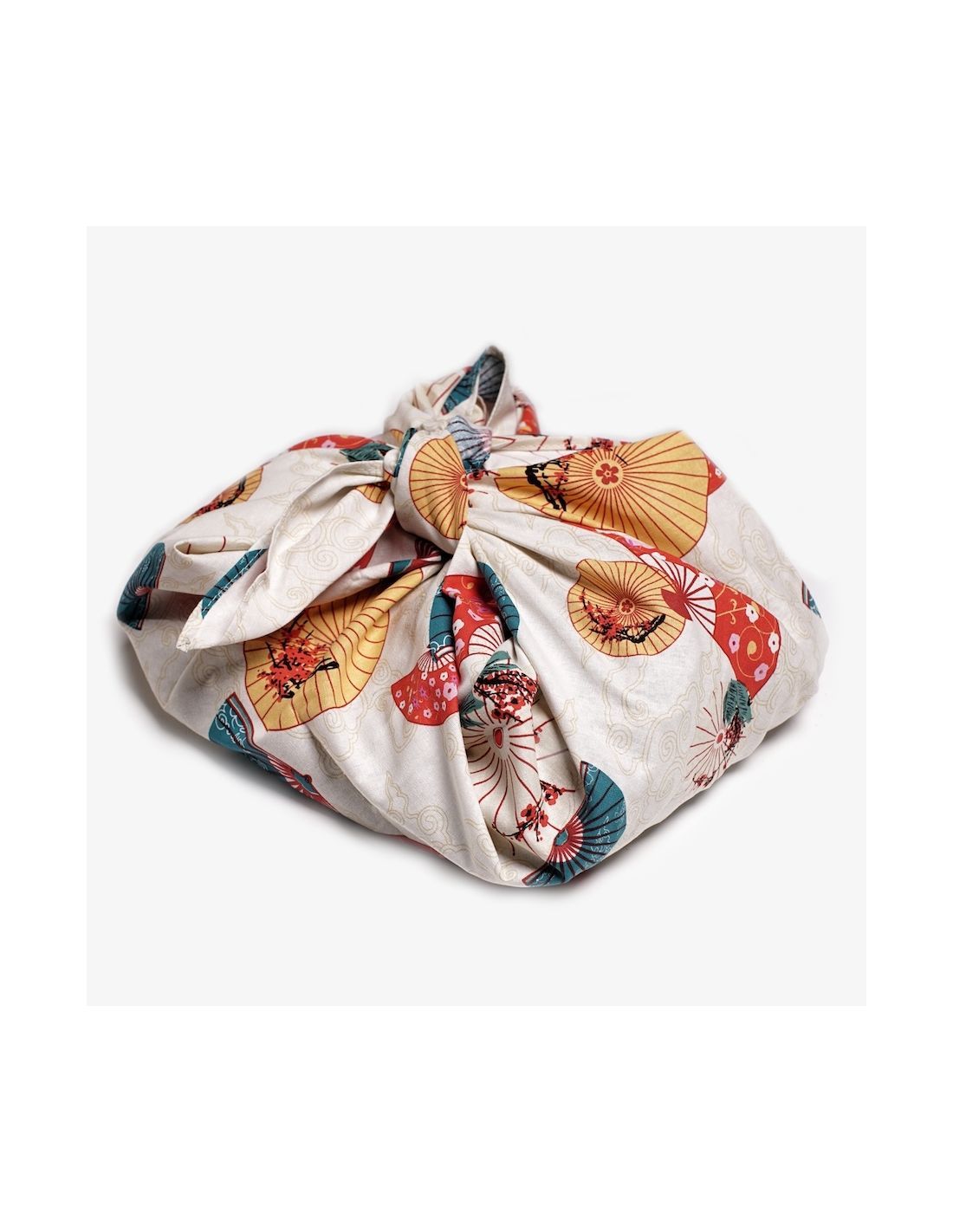
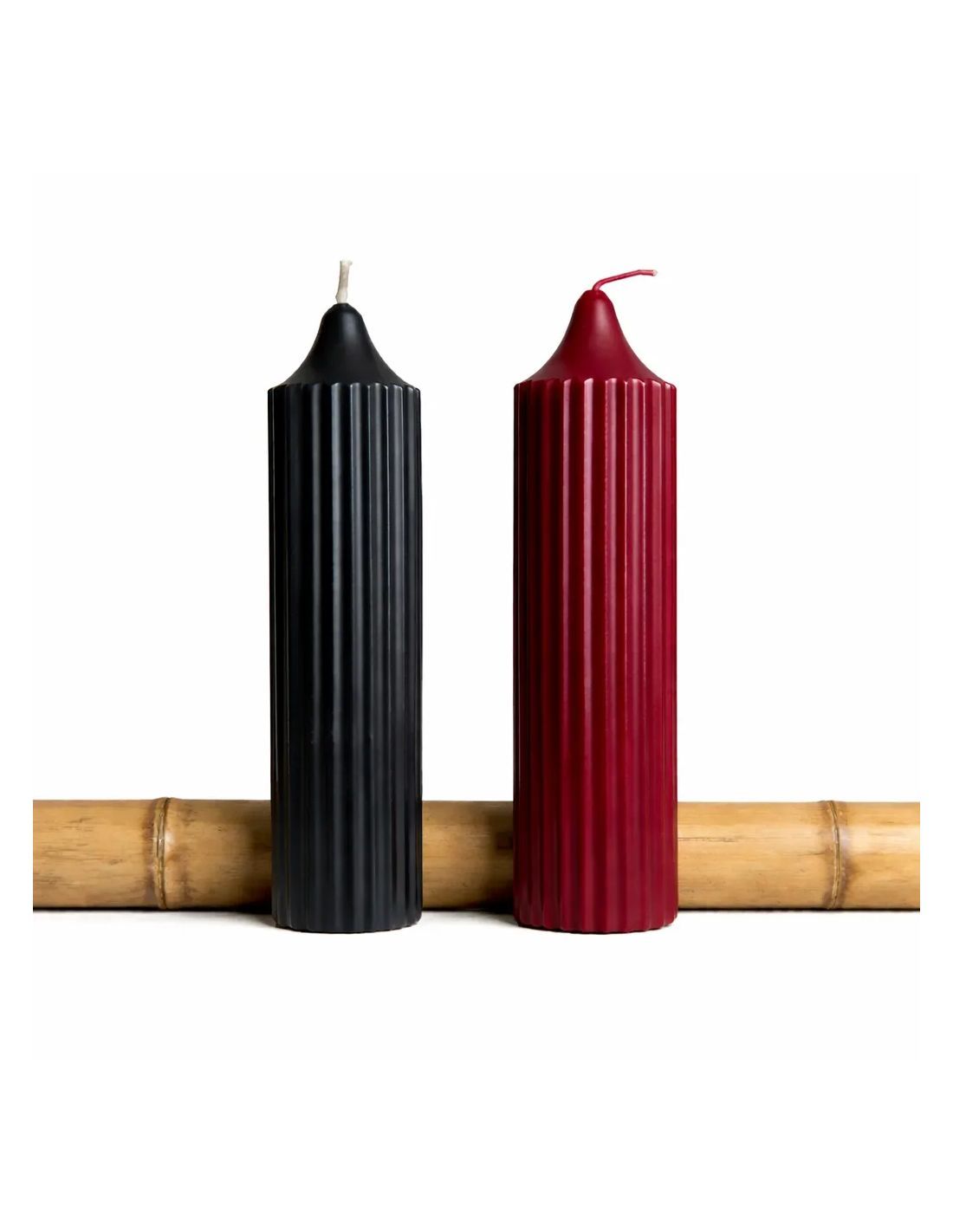
Une séance entièrement personnalisée, seul(e) ou en couple, pour découvrir les bases, progresser techniquement ou approfondir votre pratique dans un cadre calme, discret et équipé.
La Boutique du Shibari propose des cordes en jute et en chanvre, des kits pour débuter et des accessoires réellement utiles à la pratique. Chaque référence est choisie pour sa qualité, son confort d’utilisation et sa fiabilité.
Les cordes sont contrôlées et préparées artisanalement afin d’offrir une prise en main agréable, une tension régulière et une durabilité adaptée aux personnes débutantes comme aux pratiquants expérimentés.
Artiste et enseignant de Shibari à Paris depuis plus de quinze ans, Seb Kinbaku sélectionne et teste le matériel dans les conditions d’une pratique réelle.
La boutique prolonge cette expérience avec un catalogue volontairement lisible, pensé pour progresser avec davantage de sécurité, de précision et de conscience du corps.
Dans cet e-book, Seb Kinbaku explore le Shibari comme un langage relationnel : communication, confiance, consentement, présence et qualité de l’écoute. Une réflexion personnelle, nourrie par son expérience d’artiste et de formateur, pour aller au-delà des techniques, des figures et des attaches.
Édition numérique enrichie · 156 pages · Format EPUB
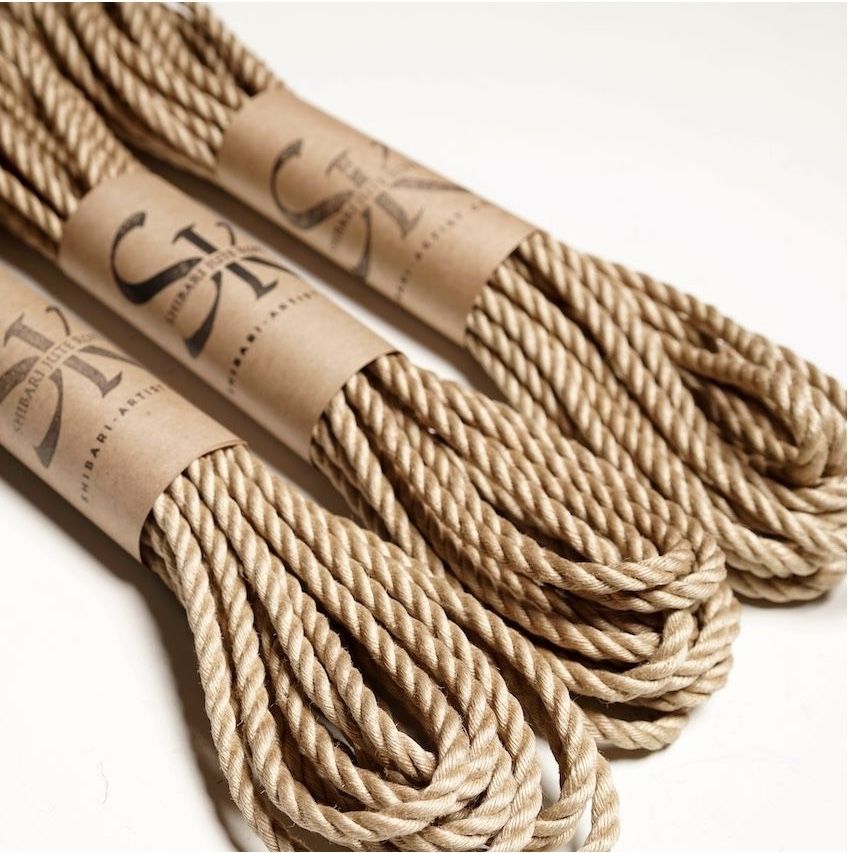
Découvrez notre sélection de cordes en jute et en chanvre, naturelles, souples et prêtes à l’emploi. Chaque fibre possède un toucher et un comportement spécifiques pour vous permettre de choisir une corde adaptée à votre pratique.
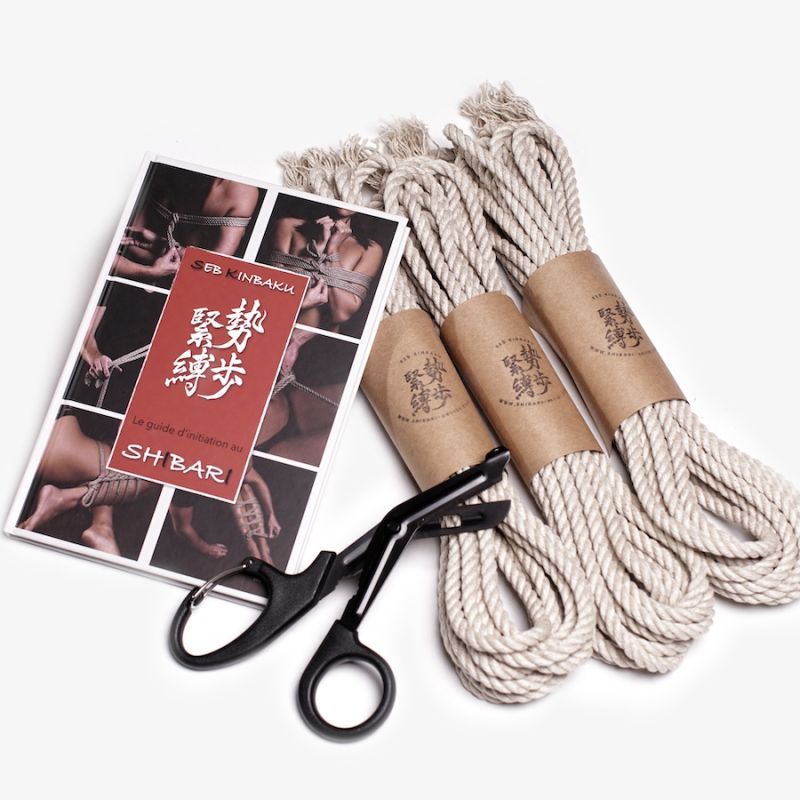
Un kit Shibari débutant rassemble l’essentiel pour commencer dans de bonnes conditions : cordes sélectionnées, coupe-corde de sécurité et conseils pratiques. Une solution claire pour découvrir le Shibari sans multiplier les achats.
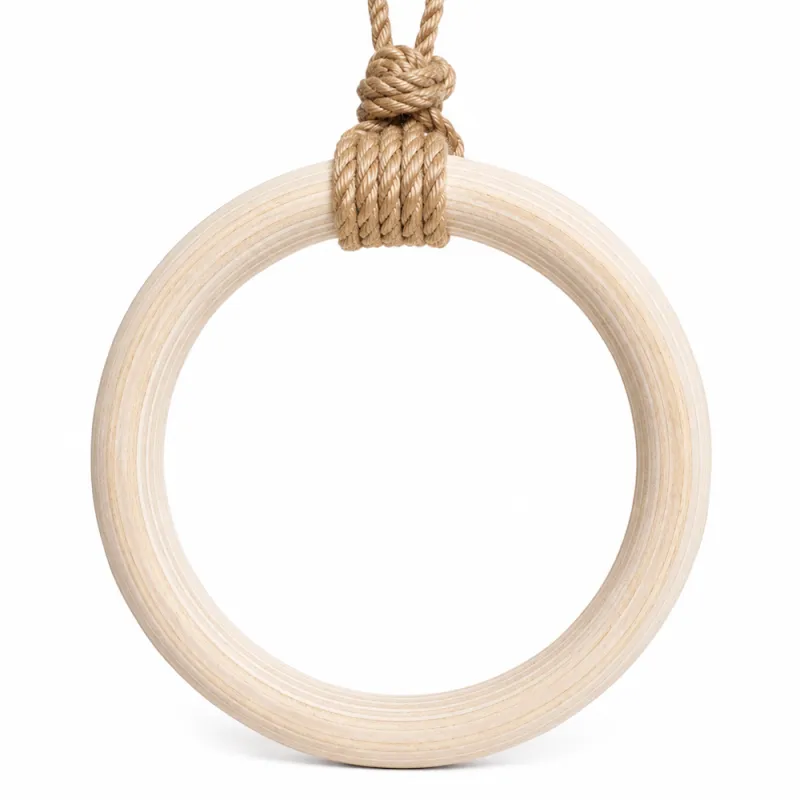
Coupe-cordes, anneaux et accessoires complètent votre équipement avec la même attention portée à la fiabilité et à la simplicité. Chaque référence est retenue pour son utilité réelle dans une pratique responsable.
Vous souhaitez mieux choisir vos cordes, comprendre les différentes fibres ou progresser dans votre pratique ? Retrouvez les guides et conseils de Seb Kinbaku : des ressources accessibles pour entretenir votre matériel, développer vos connaissances et pratiquer avec davantage de conscience.
Du côté du blog
Les derniers articles
Conseils, réflexions et actualités pour accompagner votre pratique du Shibari.
Jute japonais, chanvre soyeux ou fibres alternatives : chaque corde possède un toucher, un toronnage et un comportement différents. Cette sélection privilégie la qualité, la sécurité et une prise en main cohérente, du premier nœud à la suspension.
Une présentation courte pour repérer les différences de toucher, de souplesse et d’usage avant de choisir.
Une sélection née de la pratique
L’histoire des cordes SK de Seb Kinbaku
La corde SK a été créée pour Seb Kinbaku avec un artisan japonais de la région de Kyoto. Trois mois de travail, d’essais et de retours après utilisation ont été nécessaires pour obtenir une corde en longues fibres de jute, régulière et sans JBO. Son toronnage reste souple, mais il est plus serré que celui d’une Ogawa afin d’offrir davantage de stabilité et de précision.
Corde SK
Un jute japonais sélectionné pour sa régularité, sa prise en main et sa réponse sous tension. Le toronnage plus tenu résiste mieux aux manipulations répétées.
Connue depuis longtemps dans le Shibari international, l’Ogawa est extrêmement souple. Son traitement JBO produit une odeur qui peut déranger. Son toronnage très souple exige une manipulation précise, notamment en suspension dynamique.
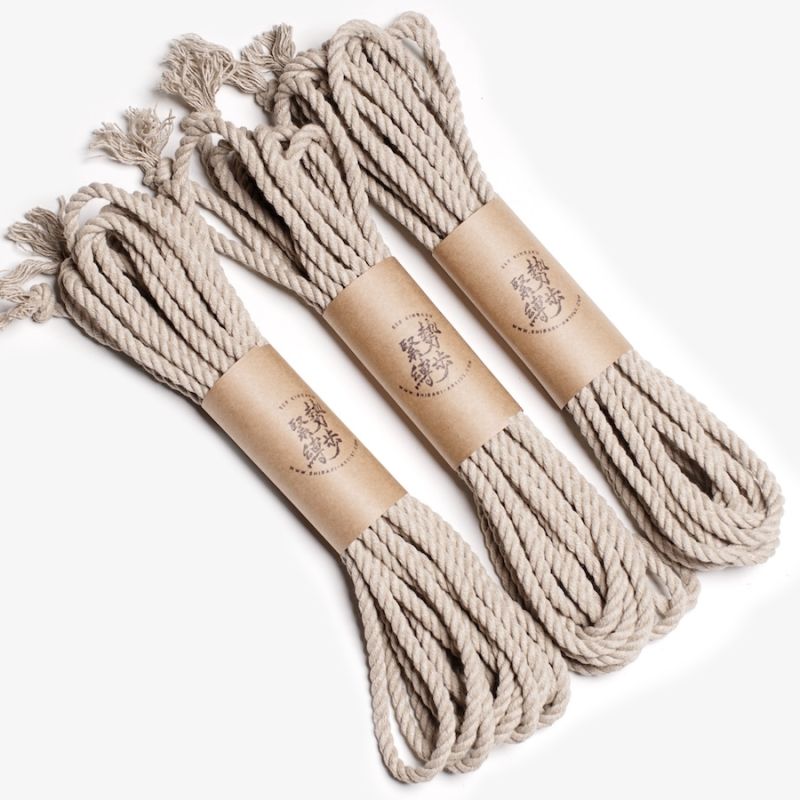
Très doux sur la peau, léger en main et naturellement résistant, le chanvre soyeux dégage seulement une légère odeur végétale. Il ne demande aucun traitement et constitue un choix rassurant pour débuter.
Au-delà des références japonaises, les fibres alternatives permettent d’explorer d’autres textures et sensations. Elles complètent la sélection sans remplacer les cordes principales utilisées pour l’apprentissage et la suspension.
Bambou
Une fibre souple et légère, au toucher différent du jute traditionnel.
Coco
Une texture plus brute pour des usages au sol et des recherches sensorielles.
Paille de riz
Une corde japonaise singulière, choisie pour sa matière et son esthétique.
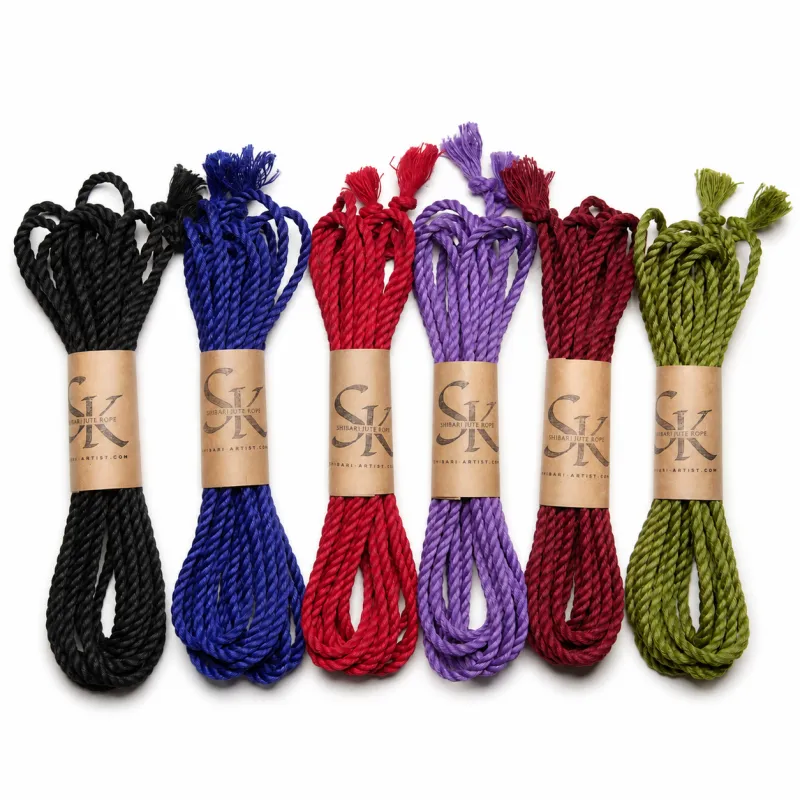
Jute coloré
La qualité SK avec une présence visuelle plus affirmée pour la scène et la photo.
Garder une corde régulière
Préserver le toronnage
Toutes les cordes de Shibari sont toronnées : cette construction leur apporte une excellente résistance à la traction, mais elle demande une manipulation attentive.
Prendre l’ensemble de la corde dans les doigts, sans séparer les torons.
Toujours tirer la corde ; ne jamais la pousser contre le corps ou dans un passage.
Ne jamais lisser la corde avec une forte pression.
Pour la ranger, la plier ou la suspendre plutôt que l’enrouler serrée.
Contrôler régulièrement l’état du toronnage avant chaque séance.